
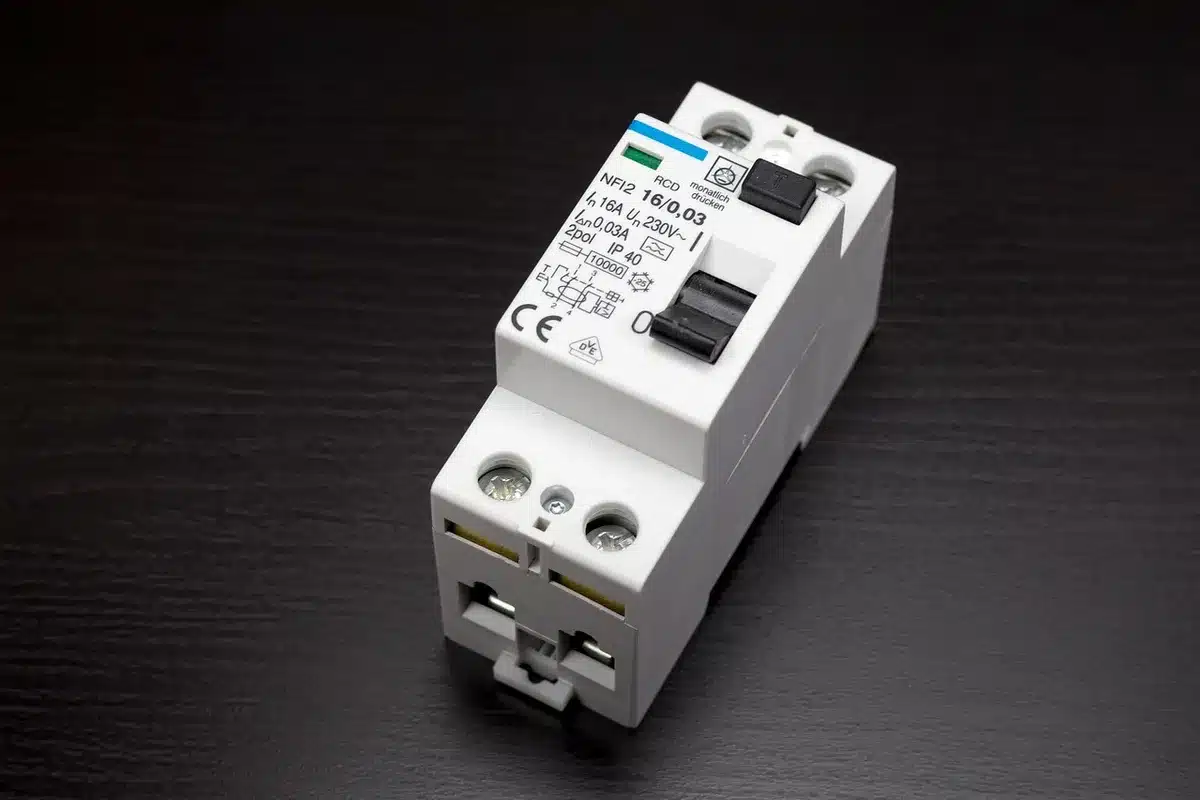
 Blogs
Getting new light fixtures put in feels straightforward until the job is done and you start noticing things you never thought to ask about beforehand. The breaker trips when you flip a certain switch. The dimmer hums. One fixture looks noticeably brighter than another in the same room. These are not signs that something went wrong. Most of the time, they are signs that you did not have enough information going in, and that is not your fault. Nobody hands you a cheat sheet when you schedule the work.
What the Quote Actually Covers
One of the most common points of confusion after having lights installed is realizing the quote and the final bill mean different things than expected. A standard quote for hanging a new fixture covers labor and the connection itself. It does not automatically include the cost of the fixture, any new wiring that turns out to be necessary, or a new switch if yours is incompatible with a dimmer-capable fixture.
Older homes, in particular, can surprise everyone. A room that looks like it has a simple ceiling box may actually have wiring that needs to be brought up to current code before a new fixture can be safely connected. That is extra time and extra material. Neighbors Electric is direct about this: the only way to know exactly what you are walking into is to have an electrician look at the existing wiring before work begins, not after. Asking for a written scope of work before the job starts saves a lot of confusion when the invoice arrives.
Real numbers help here. A basic single-fixture swap in a room with accessible wiring and a compatible switch might run $100 to $200 in labor. Add recessed lighting across a living room ceiling, and you are looking at $300 to $700 or more depending on how many cans, whether the ceiling is finished drywall, and what the panel situation looks like. If your panel is already near capacity, adding a circuit for new lighting is a separate conversation entirely. In some cases, that conversation leads to a subpanel installation to handle the added load without overloading existing circuits.
The Dimmer Problem Most People Run Into
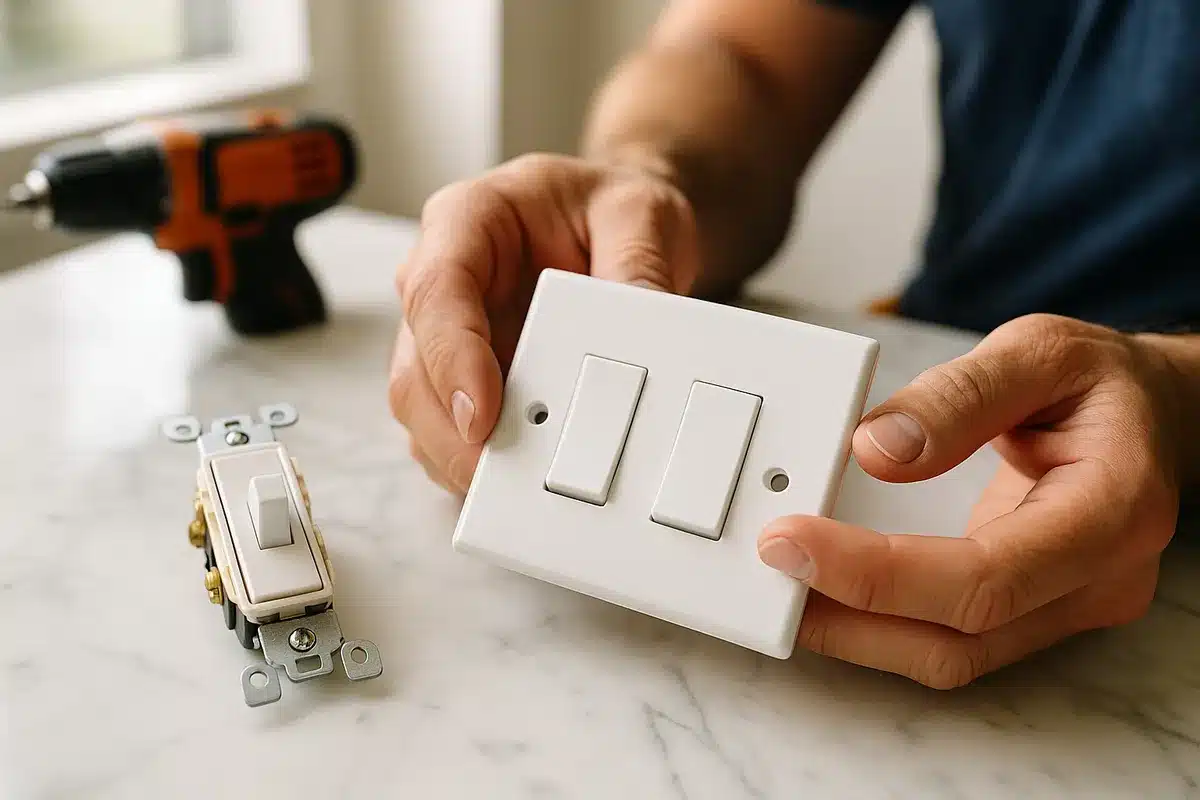
After the job is finished, one of the most frequent calls electricians get is about dimmers. The fixture looks great, but the dimmer hums, flickers at low settings, or does not dim smoothly. Here is what nobody explains up front: not every LED bulb works with every dimmer switch, and not every dimmer switch works with LED fixtures at all.
Traditional incandescent dimmers work by cutting voltage. LEDs respond to that differently, and a cheap LED driver inside a bulb or fixture can buzz, flicker, or drop out entirely at low dim levels. The fix is usually straightforward: either replace the bulb with one rated as dimmable and matched to your switch’s wattage range, or replace the switch with one designed specifically for LED loads. Neighbors Electric recommends confirming dimmer compatibility before purchasing fixtures, not after they are already mounted on the ceiling.
The other thing customers in McPherson Village and Crowley, TX ask about after the fact is whether their existing wiring can support smart switches. Most smart dimmers require a neutral wire at the switch box. Older homes often have switch loops without a neutral, which means the smart switch either will not work or requires a specific model designed to run without one. Worth asking before you buy six smart switches at the hardware store.
When the Fixture Works But Something Else Feels Off
Sometimes the lights go in without a hitch, and then a week later the customer notices something unrelated: an outlet on the same wall stopped working, or a breaker trips when the lights and a space heater run at the same time. These are usually coincidences that the new work simply made visible, not problems caused by the installation.
A tripping breaker after new fixtures are added is worth taking seriously, though. If the circuit was already running close to its limit and the new lights pushed it over, that is a real load issue, not a nuisance. The practical solution depends on what else shares that circuit. Sometimes redistributing loads fixes it. Other times, the right answer is adding a dedicated circuit or, for larger projects, looking into a subpanel installation to give new circuits room to breathe without stressing the main panel.
Homeowners in Crowley, TX, including those in newer developments near Summer Creek Ranch, sometimes assume a newer home means no electrical surprises. That is not always true. Builder-grade wiring is functional but rarely generous with spare capacity, and adding lighting in a garage, a covered patio, or a finished attic can push a panel harder than expected.
Questions Worth Asking Before the Electrician Leaves
The best time to get answers is while the electrician is still standing in your home. Ask whether the fixture you chose is rated for the location, because a bathroom or covered outdoor area has specific moisture and enclosure ratings that matter. Ask whether the bulb type and wattage are correct for the trim and housing. Ask whether the circuit has room for anything else you might want to add later.
Neighbors Electric finds that customers who ask these questions before the job wraps up almost never call back with complaints. The ones who do not ask are the ones who end up with a flickering light, a voided fixture warranty from using the wrong bulb, or a tripped breaker six months later. Good electrical work is not just about what gets installed. It is about understanding what you have when the job is done.
Neighbors Electric serves McPherson Village and the surrounding Crowley, TX area and is a reliable first call when questions come up after any lighting or electrical work. You can reach them at 10348 Lenten Rose St, Crowley, TX 76036, or by phone at (817) 533-0943.
Frequently Asked Questions
What should I check before having new fixtures installed?
Before the installation, ask the electrician if the fixture is rated for its location, particularly in moisture-prone areas like bathrooms or outdoor spaces. Also, confirm that the bulb type and wattage are appropriate for the fixture to avoid future issues.
What costs should I expect beyond the initial quote for fixture installation?
The initial quote typically covers labor and the connection but does not include the cost of the fixture, additional wiring, or a new switch if needed. If your home has outdated wiring, you might incur extra charges to bring it up to code before installation can proceed.
Why is my new dimmer switch making a humming noise?
A humming dimmer is often caused by using LED bulbs that are not compatible with traditional dimmer switches, which may cut voltage differently. To resolve this, you can either replace the bulbs with ones rated as dimmable and compatible or switch to a dimmer designed specifically for LED loads.
What should I do if my breaker trips after installing new lights?
If a breaker trips after adding new fixtures, it may indicate that the circuit was already near its limit. It’s important to assess the load on that circuit; redistributing loads or adding a dedicated circuit may be necessary to prevent overloading.
🎧 Listen to this as a podcast
Also on Apple Podcasts, Spotify, and Amazon Music.
Share:


Trusted Electrical Service Across Dallas / Fort Worth
Resources




The Neighbors
You Can Count On.
Licensed electricians delivering safe, reliable electrical work for homes and businesses across the Dallas–Fort Worth area.